


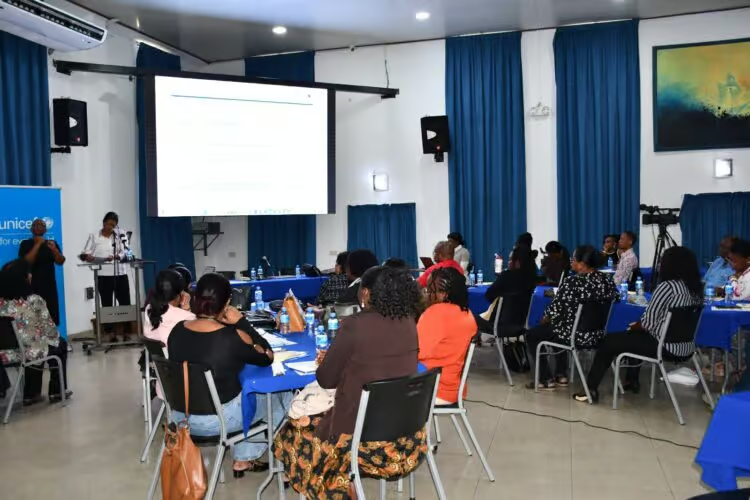


The Ministry of Social Affairs and Public Housing (SoZaVo) and UNICEF aim to improve the registration and protection of children who cannot grow up with their parents.
Central to the meeting was the International Classification of Alternative Care of Children (ICare). This classification framework is intended to contribute to uniform registration and the systematic collection of data on children who depend on alternative care, including care in residential institutions.
According to the organisers, stakeholders lack a joint approach to collecting and processing data. Reliable information is necessary to gain better insight into the circumstances in which children are cared for, their care needs and possible shortcomings within the existing care system.
Supporting families as much as possible
Sandhya Soekhoe, Child Protection Officer at UNICEF Suriname, stressed that every child has the right to a safe environment in which to grow up. According to her, the primary focus should be on supporting families so that children can remain safely at home wherever possible.
When care within the family is not possible, appropriate alternative care must be available. According to Soekhoe, it is therefore important for agencies to have reliable data on the children who need this care.
She called on participants to share their practical experiences and insights and jointly determine concrete next steps for the application of ICare in Suriname.
Child protection requires cooperation
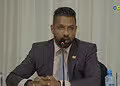
Acting Director of Social Affairs Sherwin Valies expressed his appreciation for UNICEF’s support. He stressed that the protection and well-being of children are not solely the responsibility of the government, but require joint efforts.
According to Valies, the results of the workshop should not be limited to collecting information. The insights gained must be translated into concrete measures that genuinely improve the protection and care of children.
Romana Bron, Deputy Director of Legal Affairs at the Ministry of Justice and Police, also pointed to the importance of cooperation. She stated that effective child protection is only possible when ministries, care institutions and other involved organisations properly coordinate their activities.
Attention to legislation and care institutions
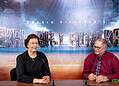
During the substantive part, led by facilitator Julia Terborg and UNICEF representative Soekhoe, participants received an explanation of the ICare classification framework and its possible application within Suriname’s care structure.
This included existing laws and regulations, registration procedures, data collection and available information on residential care institutions.
In separate working sessions, participants discussed the current situation, existing bottlenecks and opportunities to improve the registration and monitoring of children in alternative care.
The outcomes should contribute to a better overview of care structures and the development of a uniform method for data registration and oversight.
With the initiative, SoZaVo and UNICEF aim to strengthen cooperation between the agencies involved. The ultimate goal is to develop more targeted policy based on reliable data and improve the safety, protection and well-being of children in alternative care.