












Suriname expects to take further steps in 2027 to generate income from carbon credits. Climate financing, forest protection and international cooperation were central to Suriname’s participation in the 31st United Nations Climate Change Conference (COP31) in Antalya, Turkey.
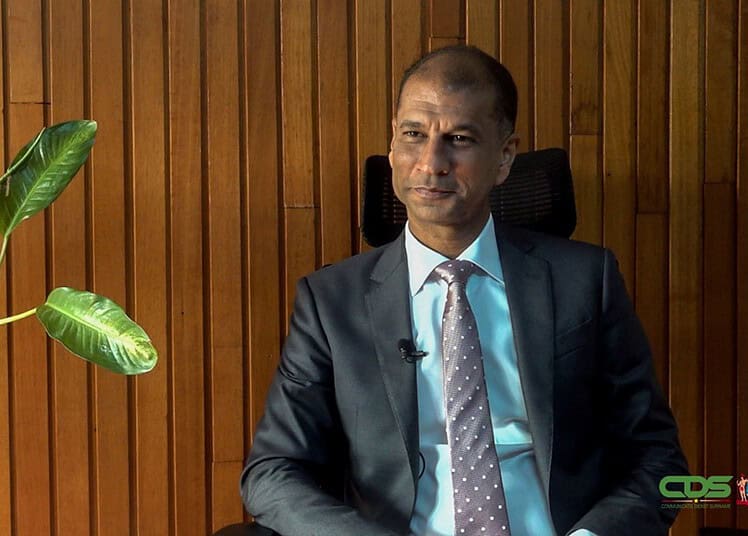
Minister Patrick Brunings of Oil, Gas and Environment (OGM) gave a positive assessment of the conference on Thursday, November 26, in comments to the Communicatiedienst Suriname (CDS).
During COP31, the Surinamese delegation held talks with, among others, Brazilian representatives about the Tropical Forests Forever Facility (TFFF), an international financing initiative for the preservation of tropical forests. Discussions were also held with Deutsche Bank and various international organisations about the possibilities for carbon credits.
Suriname is currently working on the certification of carbon credits for 2020. The country is receiving support from, among others, the Green Climate Fund (GCF) and the Food and Agriculture Organization of the United Nations (FAO).
According to Brunings, Suriname prepared a policy document ahead of the climate conference setting out the national priorities and negotiation strategy. “Our focus was primarily on climate financing. That is very important to us,” the minister said.
Oil and gas revenues for environmental protection
The minister emphasises that the further development of Suriname’s oil and gas sector must go hand in hand with environmental protection. The government intends to use part of the future revenues from this sector for the preservation of rainforests and mangrove areas. “We also want to use a large part of the revenues from oil and gas to protect our environment. We want the oil companies in our basin to play a direct role in this,” Brunings said.
In addition to forest protection, the minister draws attention to climate adaptation. According to him, Suriname must prepare better for the consequences of climate change, including the risks to coastal areas, agriculture and infrastructure. International climate funds must contribute to financing measures to make the country more resilient.
Although COP31 did not result in major new international climate agreements, Brunings considers Suriname’s participation valuable. According to the minister, the delegation achieved a large part of its national objectives. The minister did not mention specific amounts that Suriname expects to earn from the sale of carbon credits.