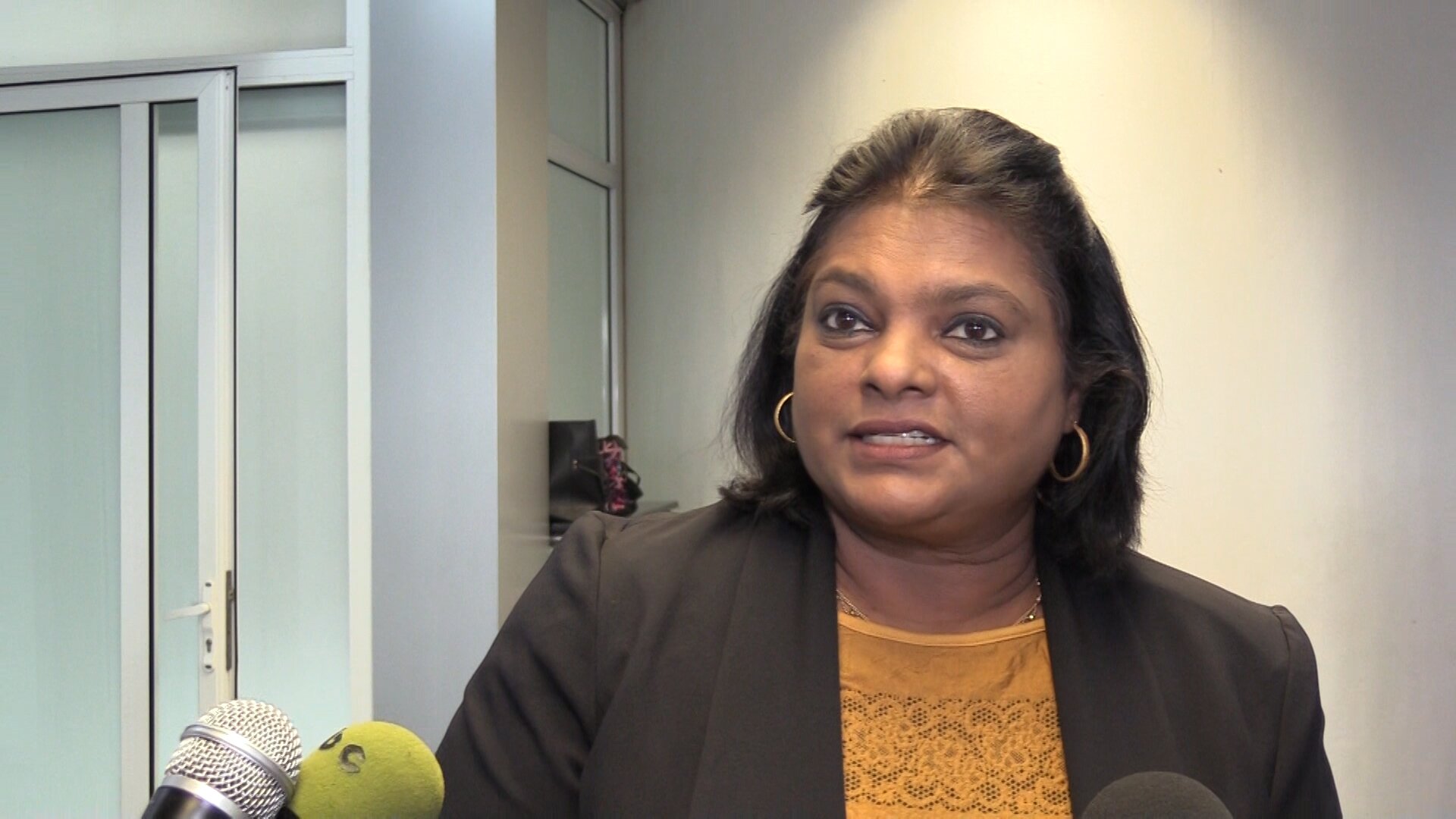
The persistent smoke and foul odours caused by the fire at the Ornamibo landfill are making daily life virtually impossible for nearby residents. This was stated by VHP member of parliament Mahinder Jogi on Tuesday during a meeting of De Nationale Assemblée (Suriname’s parliament). He called on the government to urgently take measures to protect the health and safety of residents.
“Life has become impossible,” Jogi said. According to the parliamentarian, the situation around the landfill threatens to escalate further. “The citizens are not safe at all. The enormous stench and smoke are no longer bearable,” he stressed.
Jogi warned that continued exposure to smoke poses health risks, including respiratory infections and other respiratory conditions. He urged the government to intervene quickly before the situation deteriorates further.
Fire brigade does not respond automatically
The most recent report of a fire at the landfill was received on Monday, October 26. It indicated that the fire brigade would not respond. No further information is currently available on the exact scale or cause of the fire. It is also unclear to what extent surrounding residential areas are affected by the smoke.
Minister Harish Monorath of Justice and Police stated earlier this month that he understood the decision by the Korps Brandweer Suriname to no longer automatically respond to fires at the landfill.
According to the minister, it is irresponsible to repeatedly deploy firefighters for days at fires that flare up again shortly after being extinguished. He pointed to the health risks for personnel who are exposed to potentially harmful smoke for extended periods.
Monorath stated at the time that the landfill had been set on fire four times within a short period by waste pickers. He believes that the site managers should assume greater responsibility and take structural measures to prevent new fires.
Shortage of equipment and personnel
According to the minister, the fire brigade’s restraint is also related to the corps’ limited operational capacity. The fire brigade faces a shortage of deployable fire engines, water and personnel.
In addition, the ongoing drought increases the risk of grass and forest fires. Available resources must therefore be deployed carefully. House fires and incidents in which lives are directly at risk are given priority, according to Monorath.
The minister previously stressed that the fire brigade’s position does not mean that the corps will stay away from Ornamibo under all circumstances. In the event of serious fires, it may still be assessed whether deployment is necessary.
With his call, Jogi once again draws attention to the consequences of recurring fires at the landfill. It is not yet clear what concrete measures the government will take to reduce the smoke nuisance and prevent new fires.