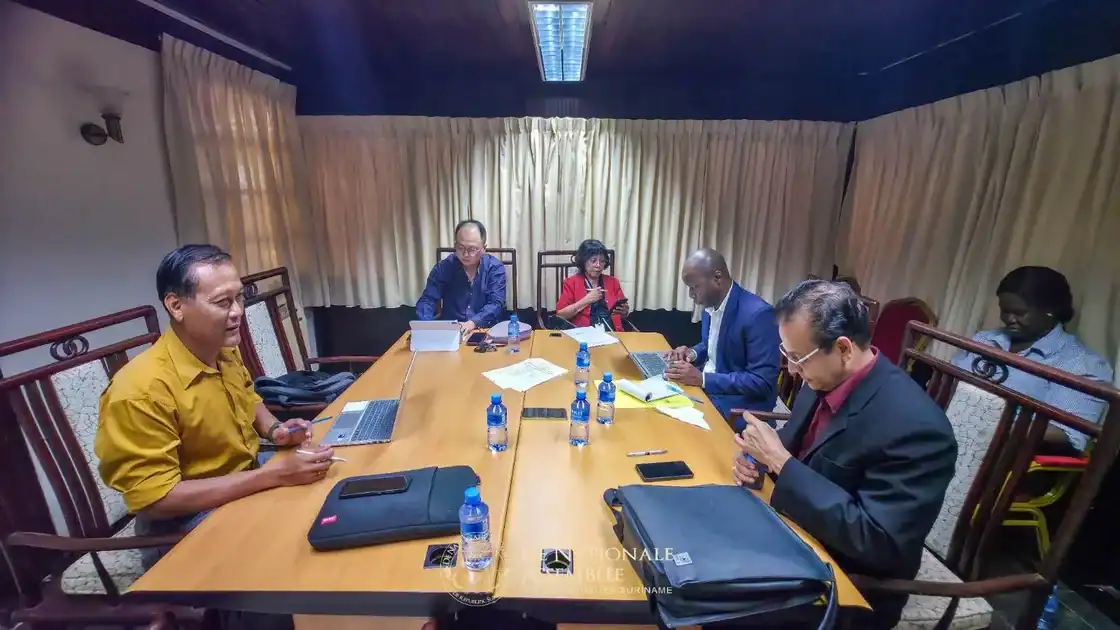











De Nationale Assemblée (DNA, Suriname’s parliament) on Tuesday, November 24, 2026, passed two laws intended to improve tax collection in Suriname and strengthen the legal position of taxpayers. Although the new legislation represents an important step in reforming the tax system, several parliamentarians stressed that its success depends on the implementation capacity and service provided by the Belastingdienst (Tax Department).
The Algemene Wet Belastingen was passed with 30 votes in favour, while the Invorderingswet received the support of all 41 parliamentarians present. Both bills were submitted to parliament by the government on June 29, 2026.
The Algemene Wet Belastingen establishes uniform rules for, among other things, tax returns, tax assessments, audits, the provision of information, and the handling of objections and appeals. The Invorderingswet, by contrast, provides the statutory powers and instruments with which the State can collect outstanding tax debts.
Change within Belastingdienst necessary
NPS parliamentarian Jerrel Pawiroredjo stressed during the debate that new legislation alone is insufficient to improve the functioning of the Belastingdienst. According to him, the approach to taxpayers must also change. “Legislation alone does not change a tax department. A change in attitude is also needed,” Pawiroredjo said.
A20 parliamentarian Steven Reyme pointed to the importance of sufficient implementation capacity to actually catch up on existing tax arrears. According to him, a modern tax system must not only be effective, but also fair and reliable. BEP parliamentarian Ronny Asabina also emphasised the importance of transparency, legal certainty and legal protection. He pointed to the government’s pledge to submit a tax plan to parliament in the short term.
International obligations
The reform of the tax system is also part of Suriname’s broader efforts to combat money laundering and terrorist financing. The new legislation should contribute to meeting international obligations and preventing Suriname from being placed on the grey list.
NDP parliamentarian Rabindre Parmessar described it as a historic step, while at the same time acknowledging that tax reforms can be met with resistance. Parliamentarian Asiskumar Gajadien stressed that additional legislation remains necessary to continue the reform process.
Minister Marinus Bee said on behalf of the government that responsibility does not end with the passage of the laws. According to him, actual implementation requires further cooperation between the government and parliament. With the approval of both laws, the legal foundation for a modernised tax system has been further strengthened. The next challenge lies in practical implementation, with both improved tax collection and the protection of taxpayers’ rights at the centre.