


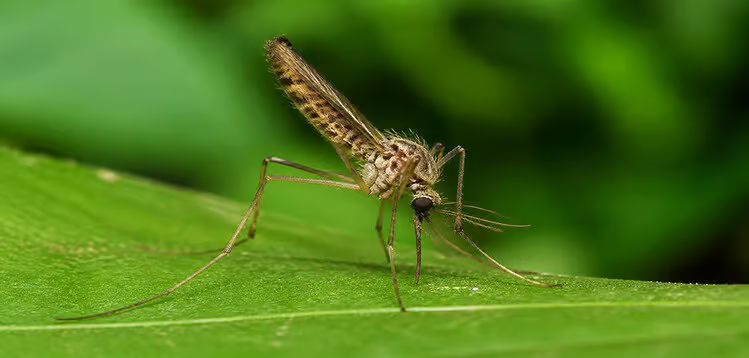


PAHO presented the Action Plan for Malaria Elimination in the Americas 2026–2030 on Friday, November 6, during a regional meeting in Brasília, Brazil. The plan focuses primarily on communities where malaria is still present and where access to healthcare is limited.
According to the organisation, around 458,000 malaria cases were registered in the region in 2025. This represents a decrease of 18 percent compared with 2020. However, the disease remains a major challenge, especially in remote areas, Indigenous communities and mining areas.
PAHO aims to reduce the number of new malaria cases by 50 percent by 2030 compared with 2024, when around 537,000 infections were reported. In addition, the number of infections caused by the malaria parasite Plasmodium falciparum must be reduced by 70 percent.
Suriname an example for the region
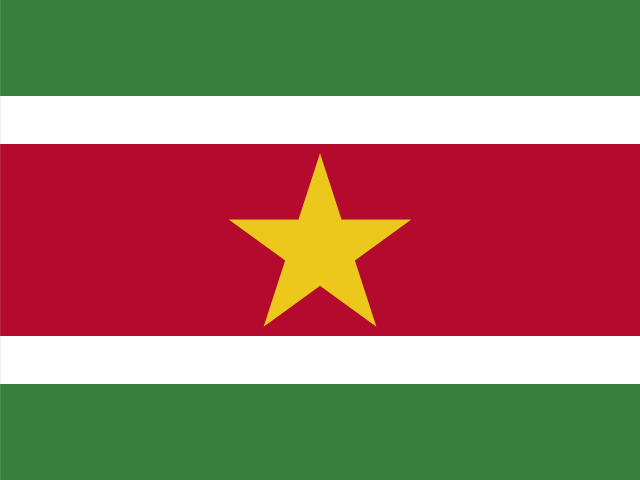
Suriname is among the five countries in the region that have officially been declared malaria-free by the World Health Organization (WHO) since 2018. The other countries are Argentina, Paraguay, El Salvador and Belize. With its certification in 2025, Suriname also became the first country in the Amazon region to eliminate malaria. This recognition means that the country has successfully interrupted the local transmission of malaria.
PAHO considers such results as evidence that malaria elimination is possible, including in areas where the disease had been a major public health problem for years. Maintaining this status, however, remains important. Countries that have eliminated malaria must remain alert to imported infections and prevent the disease from spreading locally again.
More attention for remote communities
An important component of the new action plan is bringing diagnosis and treatment closer to the population. According to PAHO, long distances, high transport costs and limited medical facilities are major obstacles to an effective approach to malaria. The organisation therefore wants to expand the use of rapid diagnostic tests and strengthen local networks, so that people can be tested and treated more quickly outside hospitals and health centres as well.
The plan also focuses on digital tools, improved disease surveillance, preventive treatments and new treatment methods to prevent recurring malaria infections. According to Sylvain Aldighieri, director of PAHO’s department for the prevention, control and elimination of communicable diseases, countries in the region have already demonstrated that malaria can be eliminated. He stresses that further progress depends on sufficient political support, financial resources and better access to healthcare for vulnerable communities.
Largest share of infections in South America
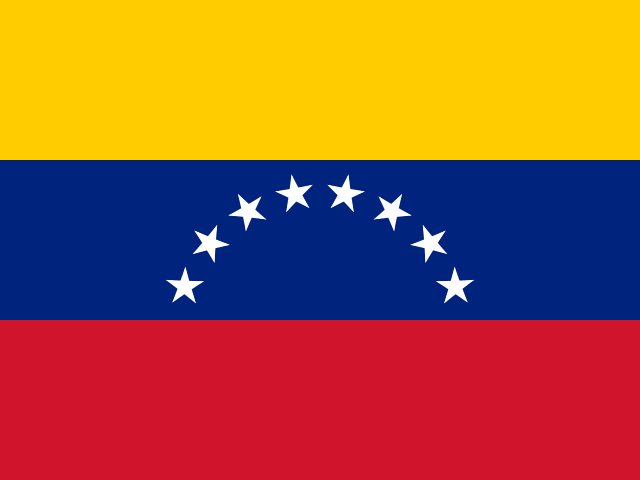
PAHO figures show that malaria control in the region is progressing unevenly. Between 2015 and 2025, the number of infections decreased by only 4.6 percent, from around 480,000 to 458,000 cases. In 2025, 86 percent of all malaria cases were registered in South America, mainly in the Amazon region and along Colombia’s Pacific coast. Brazil, Colombia and Venezuela jointly accounted for 74 percent of all reported infections in the region.
The spread of malaria also appears to be highly concentrated in certain areas. In just 22 municipalities, spread across six countries, more than 4,000 cases were registered in 2025. Together, these municipalities accounted for 43 percent of all infections. According to PAHO, this concentration provides opportunities to deploy available resources in a more targeted manner and interrupt the transmission of the disease more quickly.
Sustainable funding necessary
PAHO warns that insufficient funding may form an obstacle to further malaria elimination. Countries are therefore being called on to maintain their national budgets for malaria control at a minimum level and, where possible, increase them. Health services must also respond more quickly to new infections. This means that cases must be investigated immediately and measures taken to prevent further spread.
PAHO’s regional malaria adviser, Roberto Montoya, stresses that people with symptoms of illness must have rapid access to a test and, if necessary, be able to start treatment immediately. According to the organisation, the number of malaria deaths in the region fell from 169 in 2015 to 115 in 2025.
Suriname working on broader disease control
In addition to the regional approach, Suriname is working on a national roadmap for the control and elimination of communicable diseases. The Ministry of Volksgezondheid, Welzijn en Arbeid (Public Health, Welfare and Labour) organised a meeting for this purpose at the beginning of November, in collaboration with PAHO and WHO, involving experts and other stakeholders. This includes examining ways to maintain achievements, including Suriname’s malaria-free status, and accelerate the control of other diseases. The regional action plan was presented during the malaria elimination meeting held in Brasília from November 4 to 6. The meeting concluded on Malaria Day in the Americas, under the theme “Zero Malaria in the Americas”.