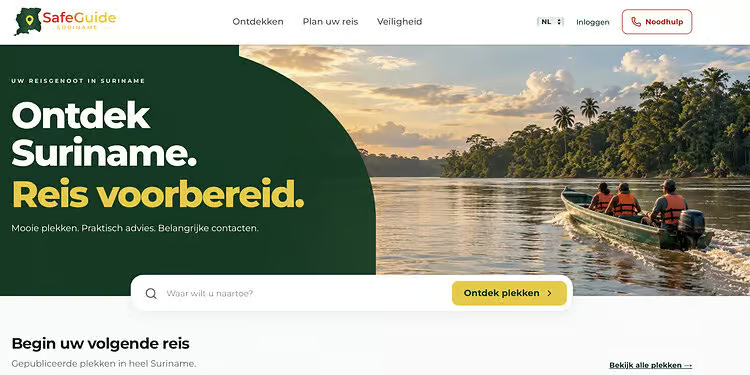
Travellers in Suriname can, from Wednesday, October 14, access safety information, register their trip and report incidents via the new Safe Guide platform. The platform is available through a website and a free app and also offers safety protocols for tourism businesses. This was reported by the Ministry of Transport, Communication and Tourism (TCT).
Safe Guide brings together practical travel information, safety guidelines and emergency information. Visitors can look up local rules, emergency numbers, the accessibility of destinations and nearby assistance facilities, among other things. The platform can also be used to share warnings about extreme weather conditions or other situations affecting travellers’ safety.
One of the features is trip registration, combined with QR check-ins at participating locations. In an emergency, relevant travel information can be consulted, including a visitor’s last registered location. Reports of incidents and unsafe situations are centrally recorded. Following assessment and verification, the information can, where necessary, be passed on to the competent authorities.
According to Liola Tamin, Director of Tourism at TCT, the platform should contribute to better preparation and organisation of tourist trips and activities. “With Safe Guide, we are investing in a safe tourist destination as well as in the confidence with which visitors can discover our country,” she states.
For tourism businesses, the platform contains a separate environment with safety protocols for accommodation, transport and activities. Businesses can indicate which protocols they comply with. After TCT has assessed their registration, their company can be included on the platform. Registered businesses can also create their own QR code directing visitors to their company page.
The protocols were drawn up using international, regional and national reference frameworks. Relevant ISO guidelines, guidelines of the Caribbean Tourism Organization and standards of the Surinaams Bureau voor Standaarden were considered, among others. The protocols were subsequently adapted to Surinamese practice, with input from working groups and stakeholders in the tourism sector.
Demis Johnn, CEO of Humus Group, says applicability was central to the development. According to him, the international standards were translated into measures that are workable and relevant within the local tourism sector.
Users can save important information and protocols in advance, so that they remain available even without an internet connection. This feature is intended particularly for travel to remote tourist areas.
Safe Guide will be freely accessible from October 14 via www.safe-guide.sr. The platform was developed under the Tourism Safety Awareness Project, which is being implemented by Humus Consulting. Additional information, practical tools and new features will be added in the coming months.